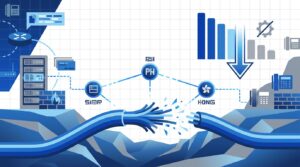
A Washington DC-area telecommunications integrator has issued a seasonal advisory warning enterprises in the mid-Atlantic region that summer storm season exposes critical vulnerabilities in communication infrastructure, urging organizations to implement layered redundancy and disaster recovery protocols before severe weather disrupts operations, according to a June 15, 2026 post on TCI Telecommunication Concepts’ website.
TL;DR: TCI Telecommunication Concepts published a seasonal advisory on June 15, 2026, warning DC-region enterprises that summer storms threaten business continuity when communication infrastructure lacks built-in redundancy, rapid failover, and disaster recovery capabilities.
The advisory frames communication downtime as a business continuity threat rather than a technical inconvenience, stating that when communications fail during severe weather, operations stall, customer trust erodes, and recovery costs escalate quickly, according to TCI’s post. The vendor positions resilient communication infrastructure as essential rather than optional for modern enterprises.
Vendor Outlines Three-Layer Resilience Framework
TCI’s advisory defines communication resilience as requiring three distinct layers beyond simple backup systems, according to the post. The first layer centers on uptime assurance through built-in redundancy, rapid failover mechanisms, and disaster recovery capabilities integrated into the primary infrastructure. The second layer addresses cybersecurity during disruption events, protecting data and operations against ransomware and phishing attacks that intensify when organizations operate under storm-related stress. The third layer covers compliance requirements, ensuring that disaster recovery measures meet regulatory mandates while maintaining customer and partner trust during recovery periods.
The vendor’s framework assumes that organizations capable of continuously evolving their infrastructure recover faster from weather-related outages and often avoid disruption entirely, the post states. TCI positions the advisory within a context of hybrid work pressures, rising customer expectations, and sophisticated cyber threats affecting DC-region enterprises.
Proposed Architecture Combines Geo-Redundancy With Sovereignty Controls
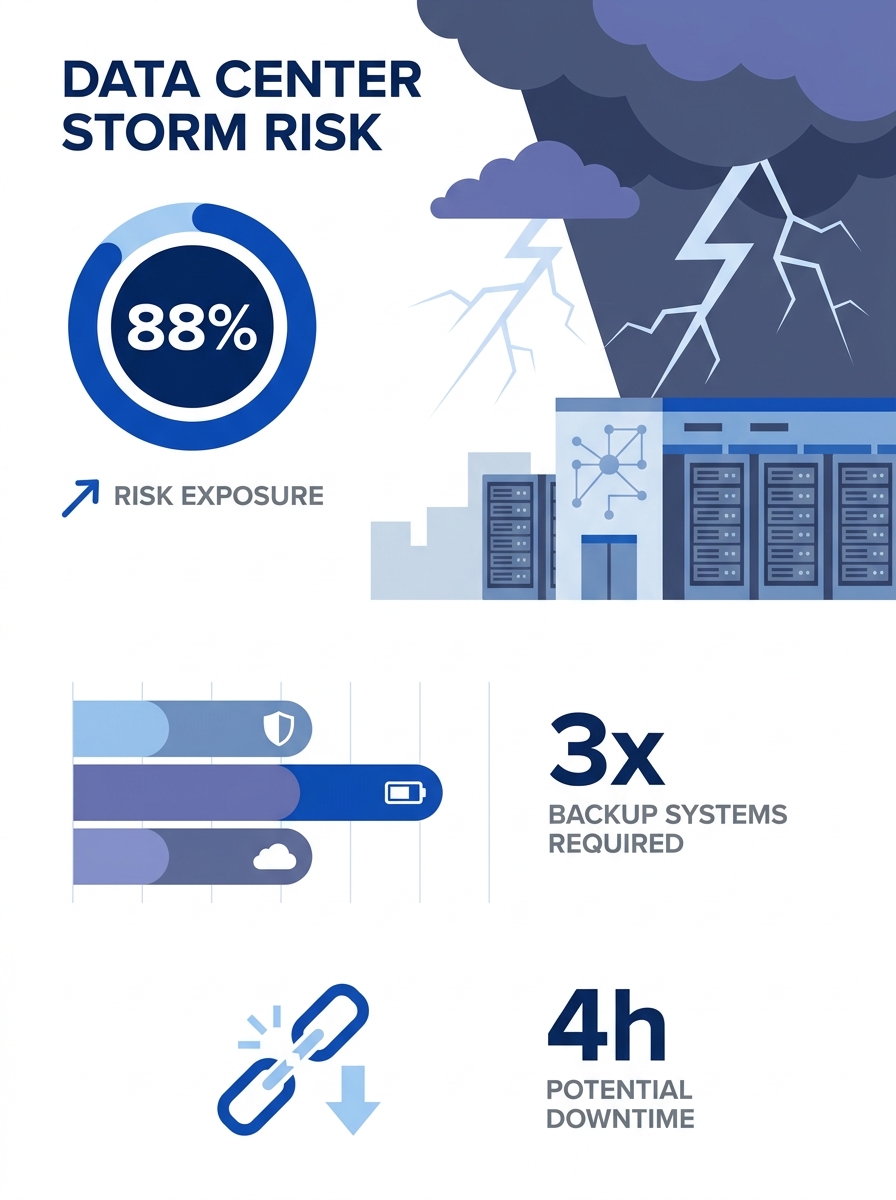
TCI’s recommended deployment architecture centers on hybrid infrastructure combining cloud and on-premises components to deliver geo-redundancy and seamless failover, according to the advisory. The vendor describes security by design as foundational, incorporating advanced encryption, secure application layers, and continuous threat monitoring into the infrastructure rather than treating security as an add-on layer.
The post emphasizes compliance assurance for industry-specific requirements including HIPAA, PCI DSS, GDPR, and ISO 27001 standards. TCI highlights data sovereignty as a deployment consideration, offering organizations full control over voice and data routing during and after severe weather events. The vendor positions these controls as differentiators from cloud-only deployments where data routing and failover paths remain outside customer control.
For Philippine enterprises evaluating similar storm-season preparedness measures, the architectural principles TCI outlines align with typhoon-season business continuity communication planning that stacks independent failover layers across carrier, facility, and application tiers. Organizations in Metro Manila, Cebu, and Davao face comparable infrastructure vulnerabilities during monsoon and typhoon seasons, where flooding and power grid disruptions cut primary connectivity for hours or days.
Deployment Options Target Control Versus Agility Trade-Offs
TCI’s advisory presents two primary deployment models for weather-resilient communications, according to the post. Cloud deployments offer scalability, agility, and cost efficiency for organizations prioritizing rapid capacity expansion without capital expenditure. Premises deployments deliver maximum control, customization, and reliability for operations requiring on-site infrastructure independent of external connectivity.
The vendor references recent global disruptions as validating its clients’ infrastructure choices, stating that TCI customers remained operational during events that exposed weaknesses in competitor systems, the post claims. TCI attributes this reliability to deliberate engineering rather than circumstance, though the advisory provides no specific case studies, customer names, or quantified uptime metrics to support the claim.
Philippine government agencies navigating similar deployment decisions face additional constraints beyond weather resilience. NTC registration requirements, NPC data residency mandates, and DICT procurement frameworks shape deployment architecture before cost or agility considerations enter planning discussions, as outlined in hardware versus software VoIP compliance frameworks for public sector implementations.
Advisory Positions Resilience as Long-Term Competitive Advantage
TCI’s post frames communication resilience investments as positioning organizations for long-term success beyond immediate weather-related threats. The vendor argues that infrastructure capable of surviving summer storms simultaneously addresses compliance mandates, cyber threats, and unexpected disruptions from non-weather causes.
The advisory concludes with a direct sales pitch, providing TCI contact information and inviting organizations to engage the vendor for resilience assessments. The post does not disclose typical project costs, implementation timelines, or specific technology platforms TCI deploys in recommended architectures.
For Philippine enterprises, the seasonal preparedness framing translates directly to pre-typhoon infrastructure audits conducted in May and June before peak southwest monsoon and tropical cyclone activity from July through October. Organizations that defer disaster recovery planning until a storm warning is issued face compressed timelines for implementing redundant telephone systems, configuring SIP trunk failover, or establishing out-of-band notification channels—creating single points of failure that surface only during actual outages.
Why This Matters Now
Philippine IT leaders evaluating communication infrastructure resilience for monsoon and typhoon seasons face identical planning constraints to the DC-region enterprises TCI’s advisory addresses. Storm-season preparedness cannot be outsourced to vendors during an active weather event—the architectural decisions that determine whether an organization maintains voice, collaboration, and customer contact capabilities during flooding, power loss, or fiber cuts must be implemented months before severe weather arrives.
The 2026 typhoon season projections from PAGASA indicate above-average tropical cyclone activity across Luzon and the Visayas from July through October, compressing the available planning window for enterprises that have not yet implemented geo-redundant data center solutions, dual-carrier SIP trunking, or hybrid cloud UC platforms. Organizations operating contact centers, hospital networks, hotel chains, or multi-site retail operations face revenue impact within hours of communication infrastructure failure, making pre-season resilience investments measurably cheaper than post-outage recovery costs.
TCI’s emphasis on data sovereignty and on-premises deployment options resonates particularly for Philippine government agencies and regulated industries where NTC Type Acceptance, NPC data residency compliance, and DICT cybersecurity frameworks restrict cloud-only architectures. The vendor’s hybrid model—combining on-premises control with cloud-based geographic redundancy—maps directly to the split-deployment architectures many Philippine enterprises implement to balance regulatory requirements against disaster recovery needs during typhoon season.