
Critical vulnerability exposures across enterprise networks more than doubled to 42.6 percent of all security risks in 2026, up from 18.7 percent a year earlier, according to Check Point Software Technologies’ 2026 Exposure Gap Report released at the company’s Paris conference this month.
TL;DR: AI-assisted attack tools are scanning internet-facing assets and software vulnerabilities at unprecedented speed, forcing enterprises to shift from traditional vulnerability management to continuous exposure management that prioritizes exploitable risks.
The report found that only 7.8 percent of critical vulnerability alerts required immediate remediation after exploitability validation, meaning more than 90 percent of alerts did not warrant urgent action. Check Point presented the findings at Check Point Engage 2026 in Paris, where the company called on enterprises to adopt AI-powered exposure management frameworks that combine asset discovery, threat intelligence, and business context into unified security workflows.
The sharp increase in vulnerability exposures reflects how AI-assisted scanning tools are enabling threat actors to identify and compromise enterprise systems faster than manual techniques allow. Philippine enterprises managing hybrid cloud infrastructure, BPO operations, and distributed branch networks face the same acceleration in attack reconnaissance that the report documents globally.
AI Automation Accelerates Attack Reconnaissance
Attackers now use AI-driven tools to scan internet-facing assets, cloud workloads, credentials, and software weaknesses across far more organizations than manual methods permit, according to the Check Point report. This automation significantly reduces the window defenders have to respond before exploitation begins.
The report identified two categories as the source of 76 percent of all critical exposures: software vulnerabilities and internal information disclosure. Exposed credentials, cloud storage, configuration files, and development environments continue to provide attackers with reconnaissance data for lateral movement before larger attacks launch.
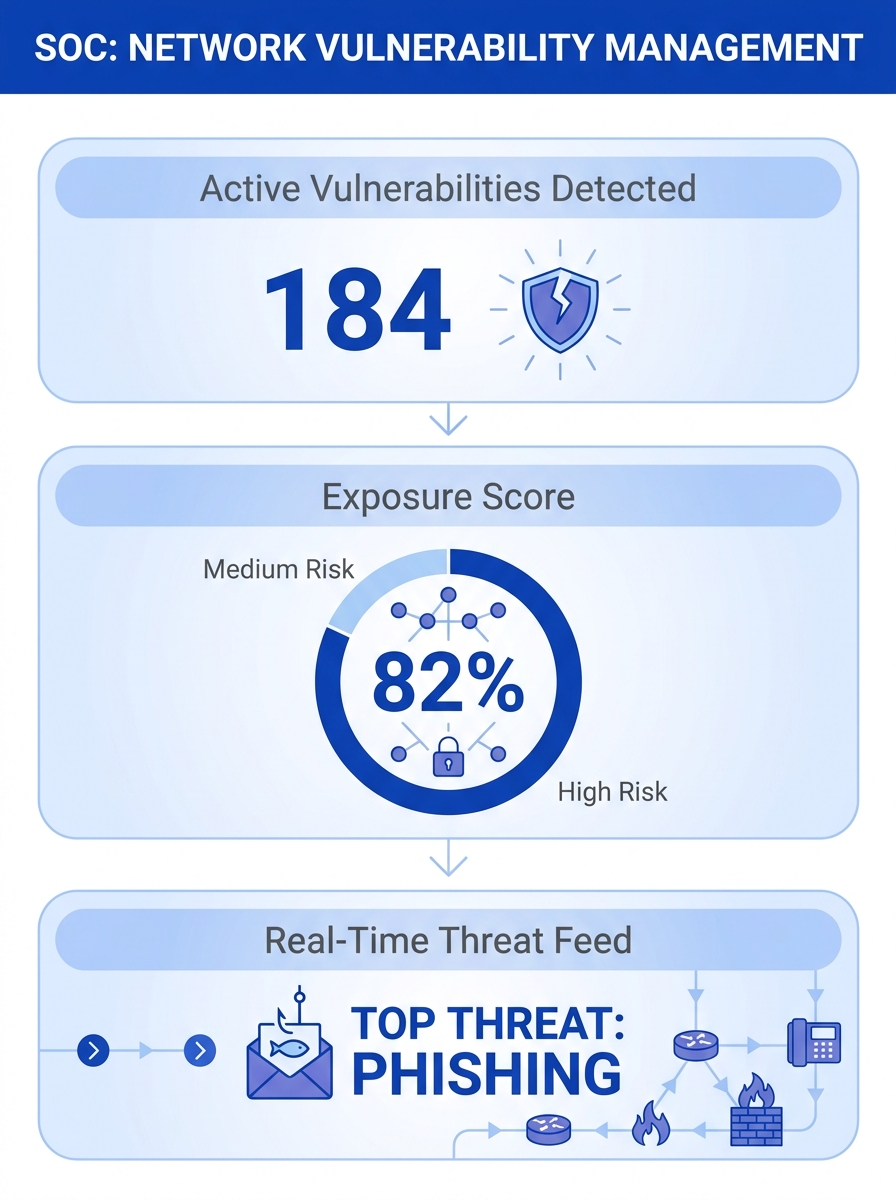
Phishing websites represented 10.5 percent of critical exposures in 2026, up from 1.0 percent a year earlier. Generative AI is enabling cybercriminals to automate convincing phishing emails, fake login portals, and impersonation campaigns across multiple languages, making attacks increasingly difficult for employees to detect. Philippine enterprises operating customer-facing portals, employee login systems, and vendor access points face the same phishing escalation documented in the report.
Exploitability Validation Reduces Alert Fatigue
Despite the doubling of vulnerability exposures, Check Point’s exploitability validation found that only 7.8 percent required Critical or High priority remediation. This finding reinforces the need for enterprises to prioritize exploitable risks rather than attempting to patch every detected vulnerability.
Organizations implementing structured prioritization and automated workflows achieved an 85.9 percent remediation rate across all recommended actions, demonstrating that focused exposure management can significantly reduce cyber risk while minimizing operational disruption. The fastest-performing sector resolved critical exposures in a median of 12.6 hours, while the Utilities industry led in rapid response by resolving 30 percent of critical exposures within one hour.
Healthcare recorded the slowest median remediation time at 158.8 hours, attributed to legacy medical systems, long device lifecycles, and strict operational requirements that limit patching windows. Healthcare also had the highest level of internal information disclosure at 63.6 percent of critical exposures. Philippine hospitals and medical facilities managing electronic health record systems, patient data, and connected medical devices face similar remediation constraints documented in the Healthcare sector findings.
Industry-Specific Exposure Patterns Emerge
Utilities recorded the highest concentration of software vulnerabilities at 78.2 percent of critical exposures, while Government organizations followed with 56.4 percent. Internal information disclosure represented 42.7 percent of critical exposures within Financial Services.
Philippine government agencies managing public-facing services, utilities operating critical infrastructure, and financial institutions processing customer transactions face exposure patterns that mirror the industry-specific findings in the Check Point report. Network infrastructure supporting these verticals requires network security solutions that deliver continuous visibility across endpoints, cloud workloads, and external attack surfaces.
The competitive exposure management market includes Palo Alto Networks, Microsoft, Tenable, Qualys, Rapid7, Wiz, CrowdStrike, Cisco, Trend Micro, Armis, XM Cyber, Axonius, and Ivanti, all expanding capabilities to help enterprises continuously identify, prioritize, and eliminate exploitable risks. Check Point stated that its platform currently protects more than 100,000 organizations worldwide through a cybersecurity architecture built on Hybrid Mesh Network Security, Workspace Security, Threat Exposure Management, and AI Security.
Digital Transformation Expands Attack Surfaces
Digital transformation initiatives including AI adoption, cloud migration, hybrid work deployment, SaaS application sprawl, API proliferation, edge computing, and connected operational technology are expanding enterprise attack surfaces. Organizations managing increasingly distributed IT environments require integrated exposure management platforms capable of delivering continuous visibility, exploitability validation, and automated remediation.
The report documents how exposure management combines asset discovery, attack surface management, exploitability validation, cloud security posture management, identity protection, threat intelligence, and business context into unified security workflows. This approach aligns with Continuous Threat Exposure Management (CTEM) practices that enable organizations to continuously identify, validate, and remediate the most dangerous attack paths across hybrid and multi-cloud environments.
Philippine enterprises deploying cloud PBX systems, SD-WAN infrastructure, and unified communications platforms face attack surface expansion as voice, data, and video traffic converge over IP networks. Vulnerabilities in VoIP gateways, SIP trunking infrastructure, and session border controllers create exposure points that attackers can exploit for reconnaissance and lateral movement, similar to patterns documented in prior vulnerability disclosures affecting unified communications platforms.
What This Means for IT Managers
Philippine IT managers evaluating network security posture should prioritize exploitability validation over raw vulnerability counts when allocating remediation resources. The finding that only 7.8 percent of critical alerts required immediate action means most organizations waste effort patching non-exploitable vulnerabilities while exploitable attack paths remain open. Implementing an exposure management framework that integrates threat intelligence, business context, and automated prioritization will reduce alert fatigue and improve remediation speed.
The doubling of software vulnerability exposures year-over-year reflects how AI-assisted attack tools are accelerating reconnaissance across internet-facing assets and cloud workloads. Philippine enterprises managing multi-site networks, hybrid cloud infrastructure, or distributed BPO operations should audit internet-facing systems, exposed credentials, and cloud storage configurations quarterly. The 76 percent concentration of critical exposures in just two categories—software vulnerabilities and internal information disclosure—means focusing remediation efforts on these areas delivers the highest risk reduction per hour invested.
Healthcare’s 158.8-hour median remediation time demonstrates how operational constraints slow patching in sectors with legacy systems and strict uptime requirements. IT managers operating 24/7 call centers, hospital networks, or manufacturing control systems should build staged remediation workflows that validate exploitability, test patches in non-production environments, and schedule production deployment during maintenance windows. The 85.9 percent global remediation rate proves that structured prioritization and automated workflows can close exploitable exposures without disrupting business operations.