The way you pay for telecommunications can shape how fast your business grows.
Key Takeaways
- Choosing between OPEX vs. CAPEX directly impacts cash flow, flexibility, and long-term telecom cost reduction.
- OPEX models help businesses stay current with technology while avoiding large upfront investments.
- CAPEX offers control and ownership but requires careful planning to manage costs and avoid obsolescence.
Telecommunications is one of those investments every growing business has to get right. It touches everything, from internal coordination to customer experience. But for finance leaders, the bigger question often comes down to cost structure.
Do you spend a large amount upfront and own the system? Or do you spread the cost over time and treat it as an operating expense?
This is where the conversation around OPEX vs CAPEX becomes practical. It is not just an accounting choice. It affects cash flow, flexibility, and how quickly your business can adapt to change.
Understanding CAPEX in Telecom Infrastructure
CAPEX, or capital expenditure, refers to investments in assets that your business owns and uses over time.
In telecommunications, this usually includes:
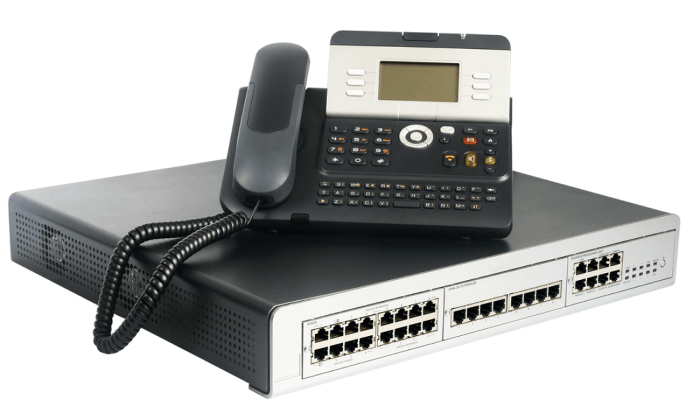
- On-premise PBX systems
- Network hardware and servers
- Data storage equipment
- Installation and setup
Under this model, companies pay a significant amount upfront. The system becomes part of the company’s assets and is depreciated over several years.
This approach has long been the standard, especially for enterprises that want full control over their systems. Solutions like a PBX for large enterprises are often deployed this way.
There are clear advantages. Ownership gives you control over configuration, security, and performance.
But there are also limitations that finance teams have to consider:
- High upfront cost can impact liquidity
- Upgrades require additional capital
- Systems may become outdated before they are fully depreciated
CAPEX investments tend to be less flexible because once the money is spent, it is tied to that specific infrastructure.
Understanding OPEX and Subscription-Based Models
OPEX, or operating expenditure, takes a different approach.
Instead of owning infrastructure, businesses pay for telecom services through subscriptions. These costs are treated as ongoing operating expenses.
Examples include:
- Cloud-based communication platforms
- Hosted PBX systems
- Managed security and storage
- Session border controllers such as ribbon communications
With OPEX, the provider manages the system. That includes maintenance, updates, and upgrades.
For finance leaders, the biggest difference is how the cost behaves. Instead of a large one-time expense, it becomes a predictable monthly or annual cost. This model helps businesses preserve capital while still accessing up-to-date technology.
Key Differences Between OPEX and CAPEX
To understand how these models affect the cost of telecom in IT infrastructure, it helps to look at them side by side.
|
CAPEX |
OPEX |
|
|
Upfront Investment |
Requires a large initial spend |
Costs are spread over time through subscriptions |
|
Scalability |
Fixed after deployment; expansion requires new hardware |
Scales easily based on usage and business needs |
|
Maintenance Responsibility |
Managed internally by your IT team |
Handled by the service provider |
|
Financial Treatment |
Recorded as an asset and depreciated over time |
Treated as an operating expense and recognized immediately |
|
Technology Lifecycle |
Systems can become outdated before full depreciation |
Regular updates included without additional capital investment |
These differences matter because they directly affect how businesses approach telecom cost reduction.
Why Enterprises Are Moving Toward OPEX Models
More companies are shifting toward OPEX for a reason. The benefits are practical and easy to measure.
-
Stronger Cash Flow Management
OPEX avoids large upfront spending. That keeps cash available for other priorities like expansion or hiring.
-
More Predictable Budgets
Recurring costs make planning easier. Finance teams know what to expect each month.
-
Faster Access to New Technology
With OPEX, upgrades are typically part of the service. Businesses do not have to wait years to modernize their systems.
-
Lower Operational Burden
Maintenance and troubleshooting are handled externally. Internal teams can focus on strategic work instead of system upkeep.
-
Better Fit for Growth
As the business grows, telecom needs change. OPEX solutions adjust more easily without requiring another large investment.
Furthermore, companies using OPEX models often deploy solutions faster and operate with fewer internal resource constraints.
Financial and Operational Impact on Businesses
Choosing between CAPEX and OPEX shapes both financial performance and day-to-day operations.
-
Budget Planning
OPEX simplifies forecasting because costs are consistent. CAPEX requires careful planning around large, infrequent expenses.
-
Return on Investment
CAPEX spreads ROI over several years. This can make short-term value harder to measure. OPEX aligns cost with usage, making returns easier to track.
-
Operational Efficiency
OPEX reduces the need to manage infrastructure internally. This can improve uptime and response times.
-
Risk Exposure
CAPEX carries the risk of investing in technology that may become outdated sooner than expected. OPEX shifts that risk to the service provider.
-
Telecom Cost Reduction
When you factor in maintenance, upgrades, and downtime, OPEX often leads to more controlled and predictable long-term costs.
For example, a company expanding into multiple locations would likely benefit more from a scalable, subscription-based system than from installing separate on-premises infrastructure in each site.

Build a Telecommunications Strategy That Supports Growth
Telecommunications spending is no longer just about infrastructure. It is about how that investment supports business growth.
The choice between OPEX vs. CAPEX comes down to how your organization wants to manage cost, risk, and flexibility.
CAPEX still works for businesses that prioritize ownership and control. But for many companies, the need for agility and predictable costs is driving a shift toward OPEX.
Subscription-based telecom solutions allow businesses to stay current, scale as needed, and manage expenses with greater clarity.
For decision-makers, the goal is simple. Choose a model that supports both your financial strategy and your ability to grow without unnecessary constraints.
Kital helps enterprises navigate this decision with practical, cost-focused telecommunications solutions backed by decades of industry experience. Whether you are evaluating CAPEX investments or transitioning to an OPEX model, Kital provides the expertise and technology to support your business goals.
Talk to Kital today to explore the right telecommunications strategy for your organization.