
Telecommunications is one of those systems people only notice when it fails. But for government agencies, it quietly supports almost everything. Internal coordination, public hotlines, emergency response, and even day-to-day approvals all depend on it. This is why business telecom services for government are not just operational tools but part of the foundation of public service delivery.
The problem is not whether telecom matters. It clearly does. The challenge is how to budget for it properly.
Many agencies still deal with unpredictable repair costs, aging equipment, and delayed upgrades due to procurement timelines. As a result, telecom spending often becomes reactive instead of planned. That makes it harder to control costs and even harder to maintain consistent service.
A more structured forecasting approach can change that. It gives agencies a clearer view of what needs to be funded, when, and why.
Why Telecom Budgeting Is Challenging for Government Agencies
There are a few recurring issues that make telecom planning difficult in the public sector.
Aging Infrastructure
It is common to see legacy PBX systems or older network equipment still in use across offices. These systems may still run, but they are no longer efficient. Maintenance becomes more frequent, and integration with newer tools becomes limited.

Nature of Maintenance Costs
These are not always predictable. A system can run smoothly for months, then suddenly require a major repair. Without a clear cost history, it is difficult to estimate future spending.
Procurement
Government processes are designed to ensure compliance, which is important. But long approval cycles can delay upgrades. By the time funding is released, the system may already be outdated or underperforming.
Put together, these factors make it difficult to plan telecom budgets with confidence.
Key Cost Components in Telecom Infrastructure
A common issue in telecom service costing is focusing too much on upfront costs while overlooking ongoing expenses.
To plan properly, agencies need to look at the full picture.
Hardware and Equipment
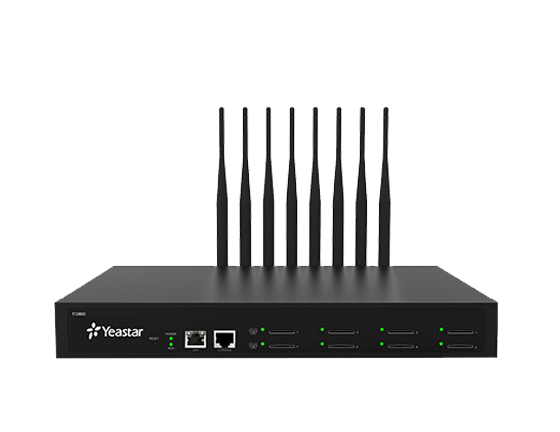
This includes PBX systems, servers, and network devices. Larger deployments, such as PBX for large enterprises, require careful planning because they support multiple users and locations.
Software and Licensing
Most systems now run on software platforms that require regular licensing. These are recurring costs that should be projected over several years.
Maintenance and Technical Support
As systems age, maintenance costs tend to increase. This includes service contracts, replacement parts, and technical support.
Connectivity and Network Costs
Bandwidth, data usage, and inter-office connections fall under this category. As agencies expand digital services, these costs usually grow as well.
Security and Compliance
Telecom systems are part of an agency’s broader security posture. Tools like session border controllers, including those from Ribbon Communications, help secure communications and protect sensitive data.
Upgrades and Replacement
No system lasts forever. Hardware and software both follow lifecycle timelines, and these need to be reflected in the budget.
How to Forecast Telecom Budgets Over 3 to 5 Years
Forecasting becomes more manageable when broken down into clear steps.
1. Start with a system inventory
List all telecom assets, including their age, condition, and current performance. This gives you a clear starting point.
2. Map out lifecycles
Assign expected lifespans to each component. For example, PBX systems may last around five to seven years, while network devices may need replacement sooner.
3. Look at past spending
Review maintenance and repair costs over the last few years. This helps identify patterns, especially for aging systems.
4. Plan for upgrades and expansion
If your agency is rolling out more digital services or expanding operations, telecom capacity needs to grow as well. This should be included early in the forecast.
5. Include security investments
Security is not a one-time cost. Regular updates and monitoring tools should be part of the plan.
6. Set a buffer for unexpected costs
Even with good planning, unplanned expenses will happen. A contingency allocation helps avoid disruptions to other projects.
This approach makes telecom service costing more transparent and easier to justify during budget reviews.

The Role of Subscription-Based Communication Models
One shift helping agencies manage telecom costs more effectively is the move toward subscription-based models. Instead of paying a large amount upfront, agencies pay predictable fees over time. Services like subscription-based communication services are designed around this model.
This setup offers a few practical advantages:
- Costs become easier to forecast since payments are fixed over a period. This fits well within government budgeting cycles.
- It also reduces the need for large capital outlays. Agencies can deploy updated systems without waiting for major funding approvals.
- Maintenance and upgrades are often included, which removes the guesswork from repair costs.
- There is also a speed advantage. Without the need for large procurement cycles tied to capital purchases, implementation can move faster.
For agencies dealing with aging systems, this can be a practical way to modernize without overloading the budget.
Improving Service Delivery Through Better Budget Planning
When telecom systems are properly planned, the impact shows in day-to-day operations.
Calls are handled more reliably. Internal coordination becomes smoother. Digital services remain accessible even during peak periods.
On the other hand, poor planning often leads to downtime, delayed responses, and frustrated users.
Better budgeting helps prevent that. Scheduled upgrades reduce the risk of sudden failures. Clear cost projections make it easier to secure funding. And a stable system allows agencies to focus on delivering services instead of fixing problems.
Over time, this also improves public trust. Citizens may not see the infrastructure behind government services, but they notice when systems work consistently.
Take Control of Your Telecom Costs with a Structured Plan
Telecom budgeting does not have to be reactive. A structured approach gives agencies better visibility over costs, clearer upgrade timelines, and fewer unexpected expenses. It also supports more reliable operations across departments.
For government agencies evaluating business telecom services, the goal is to move toward systems that are easier to manage, easier to fund, and aligned with long-term service delivery.
Kital works with government agencies to make that transition practical. We help assess existing infrastructure, identify cost drivers, and map out realistic upgrade paths. This includes modern PBX systems, secure communication platforms, and subscription-based models that replace high upfront costs with predictable spending.
The result is a telecom environment that is easier to budget, easier to maintain, and better suited to the demands of public service. If your agency is looking to improve cost predictability and modernize its telecommunications, Kital can help you build a plan that fits both your operational needs and your budget cycle.