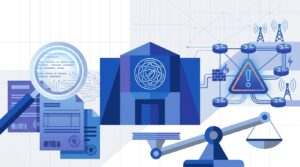
The Challenge with Traditional Communication Systems
Most government business communication systems are built on ownership. Agencies buy the equipment, install it on-site, and take responsibility for keeping it running.
Over time, a few problems start to show up.
First, the cost. Large systems require a significant upfront investment. That means waiting for the right budget cycle and competing with other priorities.
Second, procurement timelines. Even when funding is available, the process itself can take months. By the time everything is approved and installed, the technology may already be behind.
Third, maintenance. Hardware does not last forever. Parts fail, systems need updates, and each issue requires time, technical support, and additional spending.
Finally, flexibility is limited. Adding new users or expanding coverage often means buying more equipment and going through procurement again.
For many LGUs, this setup makes it difficult to keep up with growing demand for faster and more reliable public services.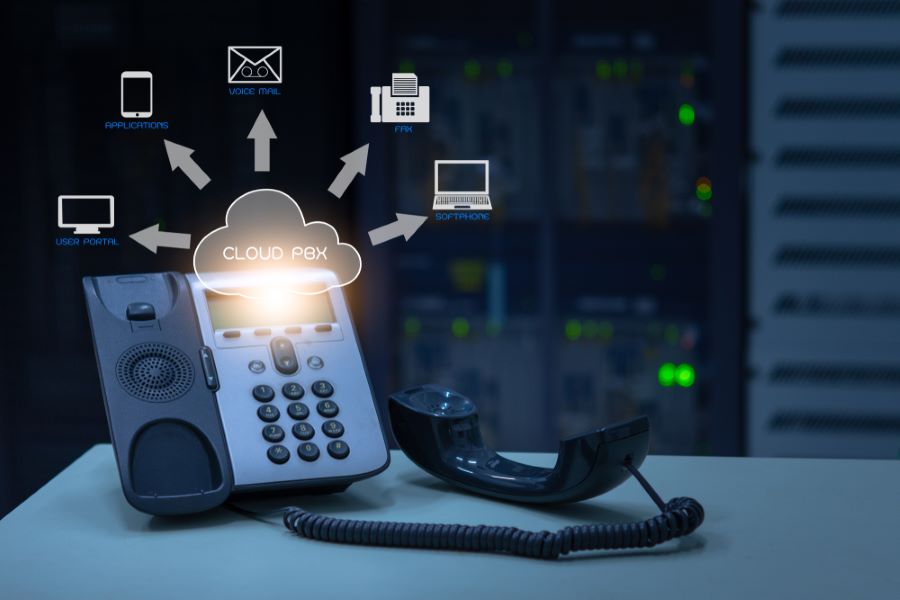
What Are Subscription-Based Communication Systems?
Subscription-based systems take a different approach. Instead of owning the infrastructure, agencies subscribe to a service.
The system runs in the cloud, and the provider handles the backend. This includes updates, maintenance, and system management.
In practical terms, this means calls, messages, and coordination tools are accessed over the internet rather than relying on physical lines and on-site hardware.
These systems often include cloud communications platforms, VoIP, and collaboration tools in one setup.
This model is part of a broader shift toward subscription-based IT services, where agencies pay for usage instead of ownership.
Why Government Agencies Are Making the Shift
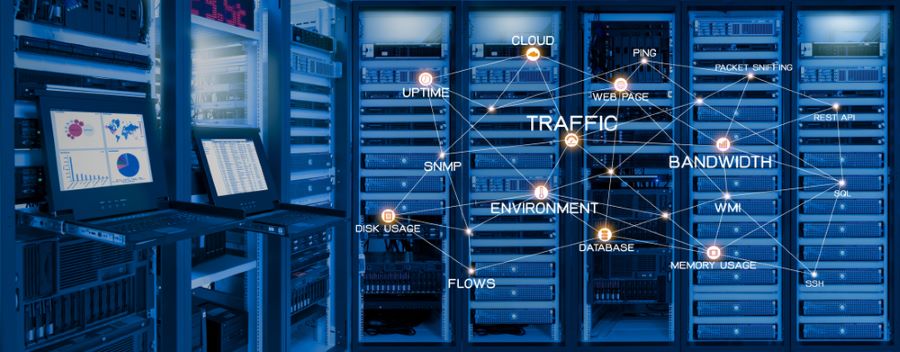
The shift to cloud communications for government agencies is not just about technology. It is about how agencies manage cost, time, and service delivery.
It reduces upfront pressure on budgets
Instead of allocating a large amount all at once, costs are spread over time. This makes projects easier to approve and plan within annual budgets.
It makes spending easier to manage
Recurring fees are predictable. Agencies know what to expect each month or year, which helps avoid surprise expenses tied to repairs or upgrades.
It speeds up deployment
Without the need to procure and install physical systems, agencies can get up and running much faster. This is especially useful for new offices or expanding services.
It adapts as needs change
Adding users or features does not require a full system upgrade. Adjustments can be made as needed, without restarting the procurement process.
It keeps systems up-to-date
Cloud telephony updates are handled by the provider. Agencies do not need to worry about falling behind on software or security improvements. For many agencies, especially those exploring cloud communications for government, this model fits better with their current operations.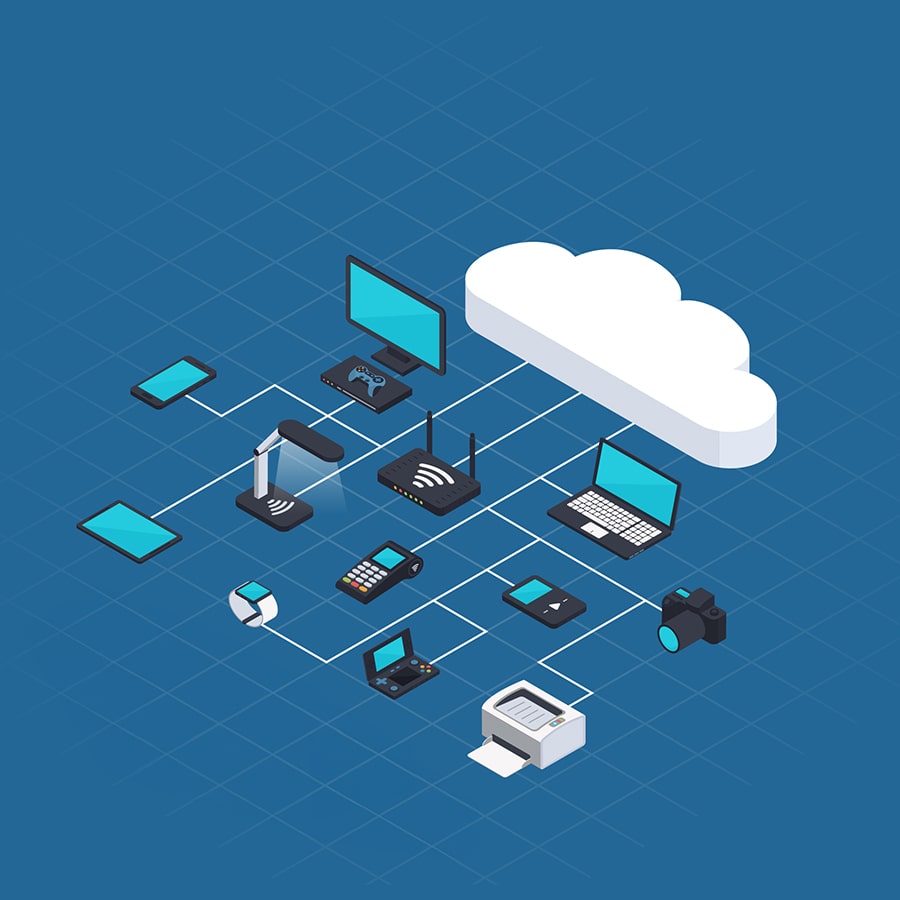
Real-World Use Cases for LGUs and Government Offices
The benefits of subscription-based IT services become clearer when you look at how these systems are used on the ground.
Citizen hotlines
LGUs can manage incoming calls more efficiently. Calls can be routed to the right teams, recorded when needed, and tracked for response times.
Internal coordination
Departments can communicate through a shared platform instead of relying on separate systems. This reduces delays and miscommunication.
Field operations
Staff working outside the office can stay connected through mobile-enabled systems. This is useful for disaster response, inspections, and public safety operations.
Service centers
Agencies handling large volumes of inquiries can manage queues better and provide faster responses to citizens when they use robust telephony systems like Xorcom.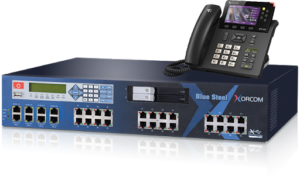
These are practical examples of how government communication solutions in the Philippines can directly improve daily operations.